

Achai.
In Dinka, Achai means "the one who endures." It is a woman's name, a quality of character, and a description of the land and rivers that shaped it.
Dinka Ngok
Abyei Area, South Sudan
River Corridor
Kiir (Bahr el Arab) · Ngol (Ragaba ez Zarqa)
Named for the river. Rooted in the land.
The Kiir — known in Arabic as the Bahr el Arab — runs through the heart of the Abyei Area. Along its banks, the Ngok Dinka have tended acacia woodlands for generations. The river does not simply water the land. It defines it. It names it. It is the reason the gum trees grow where they do.
Achai Collection takes its name from this place and its people. The name Achai — a Dinka woman's name meaning "she who endures" — was chosen by the founding grower council to honour the knowledge that has sustained this landscape across centuries of displacement, drought, and return.
The gum is harvested from mature Senegalia senegal trees — Hashab — growing along the Kiir River corridor. Every jar carries the memory of that water, that soil, and the hands that have tended these trees across generations.
"The river gives the trees their season. The trees give us ours."
— Ngok Dinka harvester, Kiir River corridor

Kiir
Bahr el Arab · River corridor
Ngol
Ragaba ez Zarqa · Seasonal stream
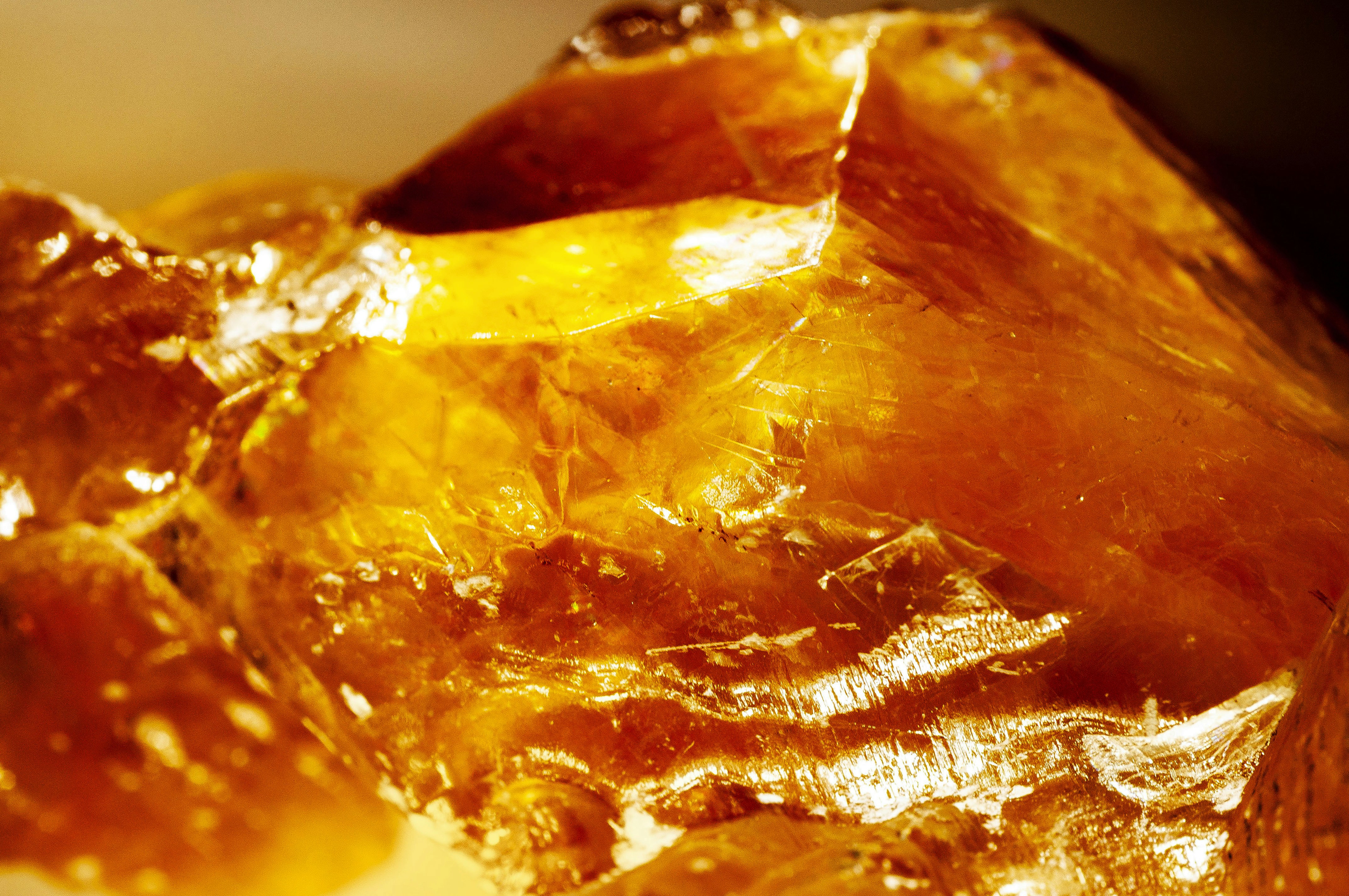
Acacia senegal · Abyei Area
Why your body
remembers.
Acacia fibre — harvested as dried gum from the bark of Acacia senegal — is one of the oldest prebiotic foods in the human diet. Archaeological evidence places it in the diets of East African populations for at least 4,000 years. The gut microbiome did not encounter it for the first time when supplement companies began selling it. It encountered it again.
The fibre is a complex polysaccharide. It passes through the stomach and small intestine intact, arriving in the colon where it becomes food for Bifidobacterium and Lactobacillus — the bacteria most associated with gut lining integrity, immune regulation, and mood stability via the gut-brain axis.
Unlike inulin or chicory root, acacia fibre ferments slowly. This means no bloating, no cramping, no adjustment period. The body accepts it without protest because, at a cellular level, it recognises it.
4,000+
Years in the East African diet
Slow
Fermentation rate — no bloating
100%
Soluble dietary fibre
How it
is made.
No industrial extraction. No chemical solvents. Twice sun-dried. Hand-grown. Impeccable phytosanitary control.
01
Tapping
Between November and February, harvesters make shallow incisions in the bark of mature Hashab trees (Senegalia senegal) along the Kiir (Bahr el Arab) and Ngol (Ragaba ez Zarqa) river corridors. The trees respond by producing gum — a natural defence mechanism that has been redirected, with the tree's cooperation, into a food source. No tree is tapped more than once every three years.
02
Collection
After two to four weeks, the gum has dried into amber nodules on the bark. Harvesters collect by hand, working in the early morning before the heat softens the resin. Each harvester knows her trees by name — not metaphorically. The trees have names.
03
Grading
Raw Hashab gum is graded by colour, clarity, and texture. The highest grade — Kordofan grade 1 — is pale amber, almost translucent. Grading is done by touch and sight, a skill that takes years to develop and is passed hand to hand within the cooperative.
04
Processing
Graded gum is twice sun-dried, then cleaned and milled to a fine powder. No additives. No carriers. No anti-caking agents. The powder is tested for moisture content, microbial load, and fibre percentage before packaging. Phytosanitary standards are maintained at every stage.
05
Packaging
Packed in Nairobi in amber glass jars with induction-sealed lids. Glass was chosen over plastic not for aesthetics but for inertness — acacia fibre is hygroscopic and will absorb odours from plastic over time. The jar is designed to be refilled.
How to use it.
Achai Collection is a single-ingredient powder. There is no protocol, no stack, no programme. These are suggestions from the people who have been using it longest.
01
Morning, fasted
Stir one level teaspoon into a glass of room-temperature water. Drink slowly before your first meal. The fibre begins working before food arrives.
02
With food
Add to porridge, yoghurt, or a smoothie. The flavour is mild and slightly earthy — it disappears into most foods without changing them.
03
Consistency over quantity
One teaspoon daily for four weeks is more effective than three teaspoons for one week. The microbiome responds to rhythm, not volume.
Starting dose: ½ teaspoon daily for the first two weeks, then increase to 1 teaspoon. Some people experience mild changes in digestion in the first week — this is the microbiome adjusting, not an adverse reaction.
Who makes it.
Achai Collection is produced by a cooperative of 34 women harvesters in the Abyei Area, working across three agroforest zones along the Kiir River basin. The cooperative was formed in 2018 with support from a regional land stewardship programme. It is entirely women-led.
Each harvester holds a documented stewardship agreement for her section of the agroforest. The trees she tends are not owned by the cooperative or the brand — they belong to the land, and the land belongs to the community. The agreements define rights of access, obligations of care, and a share of revenue that goes directly to the harvester, not through an intermediary.
A portion of every sale is held in a community stewardship fund, administered by the cooperative council. Current allocations: 40% to harvester livelihoods, 35% to agroforest maintenance and replanting, 25% to the community education fund.
"We are not suppliers. We are the reason this exists."
— Cooperative Council Statement, Abyei, 2023

34
Harvesters
3
Forest zones
100%
Women-led
A name from
the river.
The brand name Achai comes from the Dinka Ngok community of the Abyei Area. It is a woman's name — carried by the women who tend the acacia woodlands along the Kiir (Bahr el Arab) and Ngol (Ragaba ez Zarqa) river corridors. The name was chosen by the founding grower council to honour the knowledge and endurance of those women.
Dinka is a tonal language. The same root carries different weight depending on who speaks it, when, and to whom. Achai is not a fixed meaning — it is a living word.
See the Collection →Achai
She who endures
Personal name, Dinka Ngok dialect
Achai yïn
You who remain
Honorific address, elder women
Achai nhialic
Endurance of the sky
Poetic usage, land songs
Contact us
about ordering.
Achai Collection is currently available in limited quantities. Each batch is tied to a specific harvest season and a specific group of harvesters. We do not hold standing inventory.
If you would like to enquire about availability, wholesale, or partnership, send us a message. We respond to every enquiry personally.
Achai Gum · 500g Jar
Approximately 100 servings. Amber glass, induction-sealed. Designed to be refilled.
Achai Gum · Two-Pack (2 × 500g)
For consistent daily use over three to four months.
Wholesale & Institutional
Available for health practitioners, retailers, and mission-aligned partners.
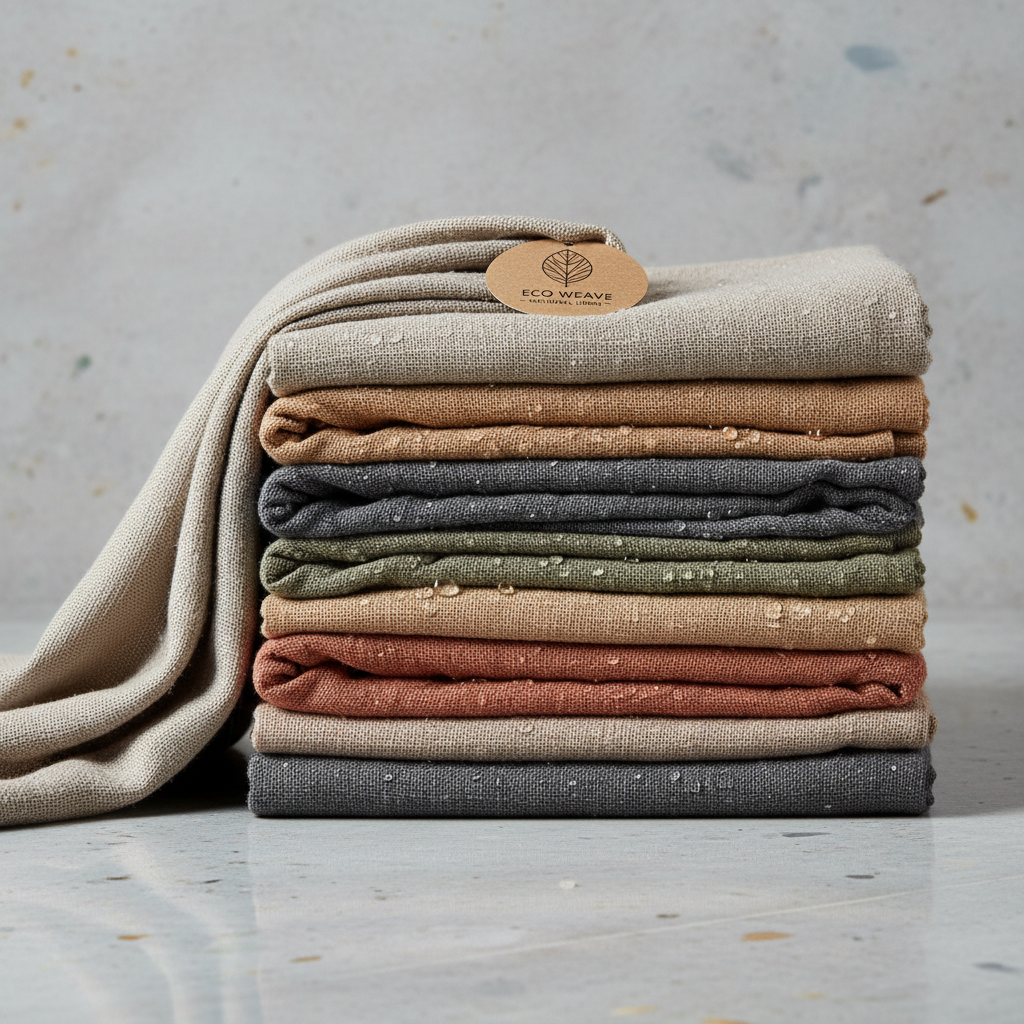
The full collection —
six products
Achai Gum is the first harvest. The Abyei agroforest holds more. Explore the full collection and the stories behind each species.